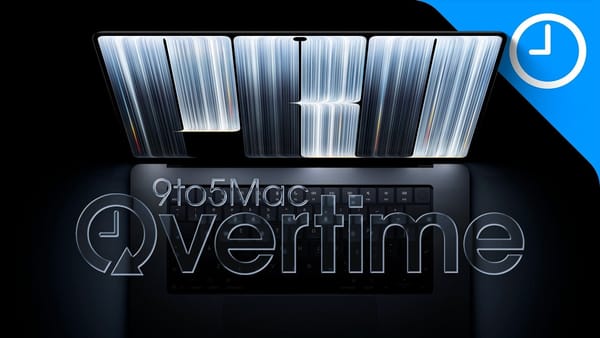
The AppleInsider Podcast finds the PROLED MacBook Pro's screen easier to celebrate than its touchscreen. With the new machines reaching users and Siri AI app actions still changing, the hosts compare a hardware improvement they can see with an assistant whose behavior remains inconsistent.
What the AppleInsider panel argues
- OLED makes the immediate impression. One host visited an Apple Store while arranging a battery replacement for an older MacBook Pro, and came away impressed by the screen and keyboard. His co-host likes seeing the Mac catch up with the iPad Pro's display technology, but considers touch a secondary feature. They don't agree that a touchscreen alone gives either of them a reason to replace a working setup.
- Touch needs a specific job. The host who tried the machine points to Logic Pro users enjoying direct interaction with the updated interface. The other host, who primarily works with an iPad and a Mac mini, can't identify a comparable need in his own workflow. Their disagreement is about use, rather than whether tapping a Mac display is inherently good or bad.
- Siri's permission settings can hide the problem. One host describes an Apple Music request that succeeded, then failed on another attempt. He eventually found Apple Music among the excluded apps in Siri settings. That discovery gives iPhoners a concrete troubleshooting step, while his co-host's explanation about future app-action support remains an expectation discussed on the show.
- There are useful app actions already. The same host reports asking Siri to move an OmniFocus task to the following Saturday and watching it work. The panel welcomes that kind of direct task handling, but one host objects that the fuller promise repeatedly sounds another point release away. The successful task and the failed music request belong in the same assessment.
- Apple's AI strategy is the panel's argument, not settled fact. One host strongly rejects a narrative of internal confusion and sees continuity in local processing and private infrastructure. He also cites the reported Harbor project for linking Macs as a possible extension of that approach. Harbor's availability and Apple's internal decisions remain unconfirmed in this conversation.
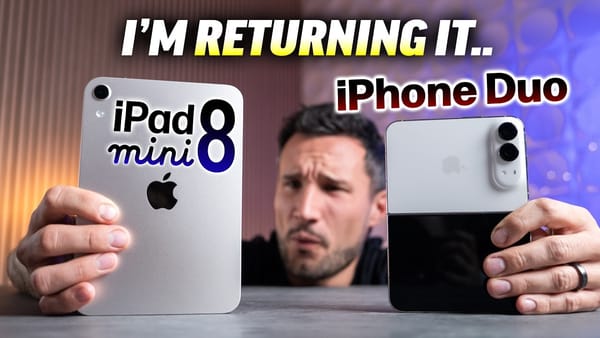
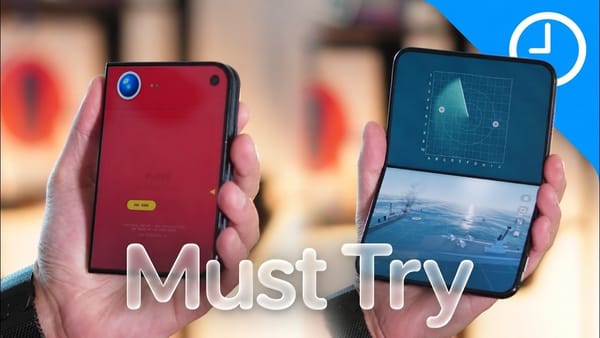
The episode also covers the iPhone Duo as an e-reader and its low-light photography limits, useful owner observations that don't settle the broader AI argument.
A successful OmniFocus action is evidence of progress. A theory about the boardroom can't tell someone whether the same Siri request will work twice.