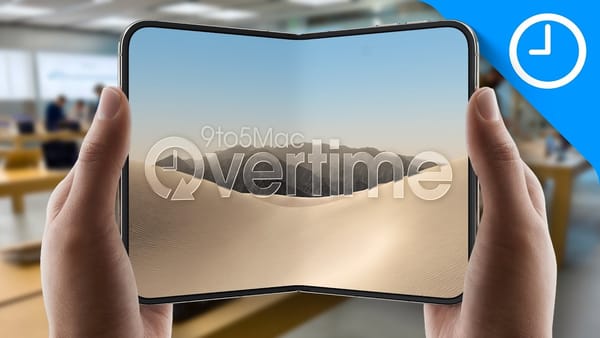
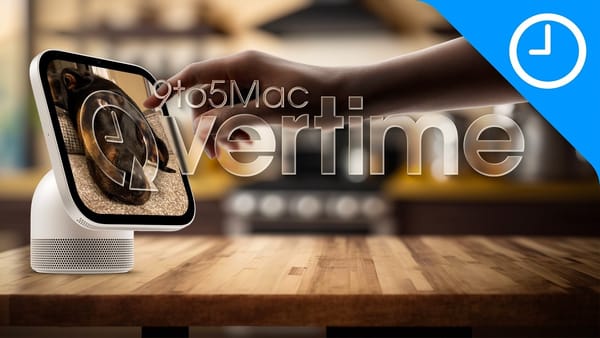
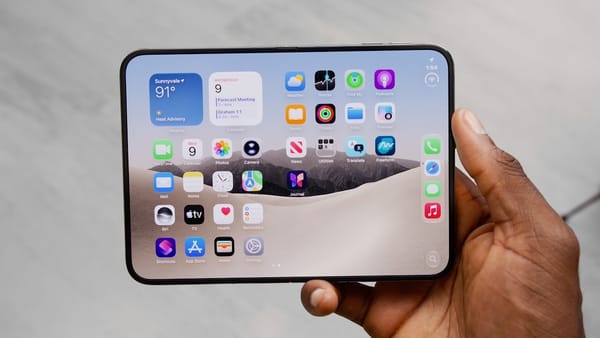
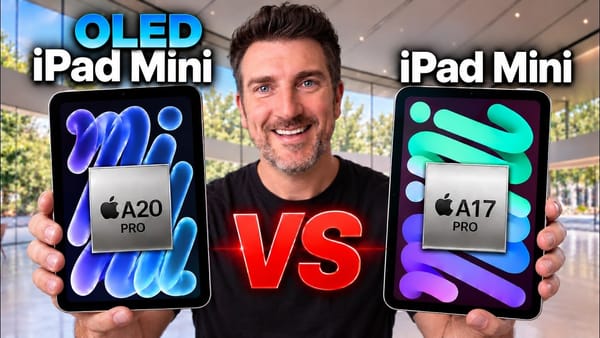
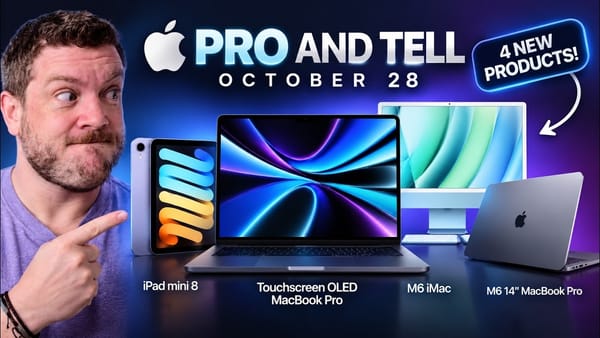
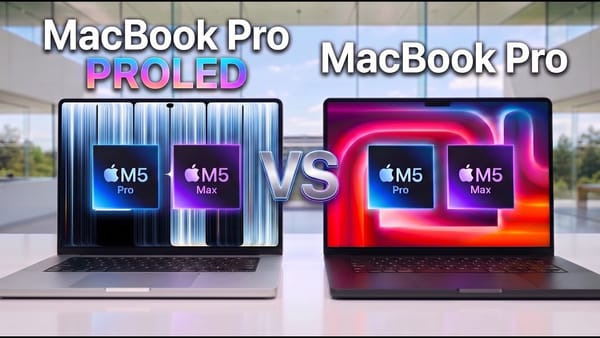
9to5Mac's Overtime podcast spent episode 88 on Apple's week of launches: the M6 MacBook Pro and iMac, the HomePod mini 2, the OLED iPad mini, and the MacBook Pro with PROLED XDR display, the first Mac with a touchscreen. The two hosts agree on the headline: in their view, the OLED panel alone justifies the new MacBook Pro over the same chips in the older design, and the touchscreen is a bonus that doesn't change how anyone works.
Where the hosts land
- Touch is for small, one-off moves. That means tapping an icon or swiping between desktops. One host calls Apple's demo of a piano keyboard in Logic Pro baloney, since the Mac's own keys already do musical typing.
- The display is reference-grade. Apple now advertises Adobe RGB alongside P3, which the hosts read as a pitch to print and publishing work, and the nano-texture option is etched into the top layer of glass the way the Pro Display XDR's was.
- The memory ladder is a trap. The M5 Pro configurator offers 24GB or 48GB. Anyone who wants 36GB has to jump to the M5 Max, which one host calls egregious.
- The M6 MacBook Pro and iMac are spec bumps. Each gets a few more cores, and the MacBook Pro adds the N1 chip with Wi-Fi 7 and Bluetooth 6. Neither host sees it as an upgrade for M5 owners.
- The HomePod mini 2 has one day-one feature. It works as low-latency stereo speakers for a Mac with Wi-Fi 6E. Siri isn't on it yet, and home theater surround waits for the new Apple TV 4K on November 13.
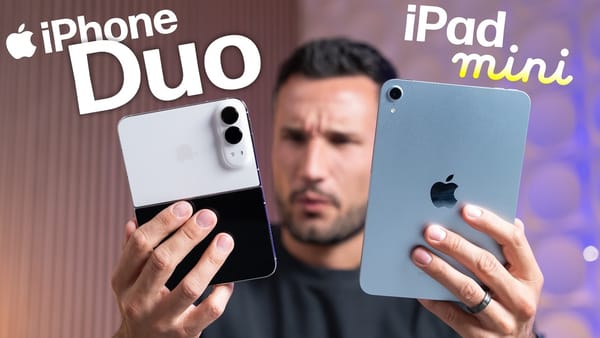
- The iPad mini's real news is the speakers. The Acoustic Display drops every speaker grille, which is how the tablet gets IP67. The hosts call it one of the most interesting things Apple announced all week.
Of all the takes, the memory complaint is the one I'd act on. Anyone configuring an M5 Pro machine should decide between 24GB and 48GB before opening the store page, because the middle option quietly belongs to the M5 Max. Memory is soldered, so it's the one choice on that page that can't be fixed after the laptop arrives.