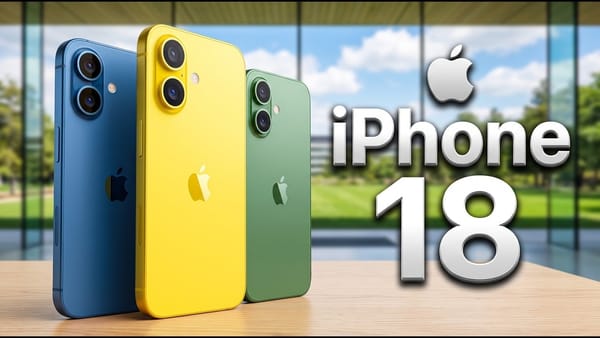
Curving the glass around an iPhone is one job. Taking a picture through that glass and a working OLED panel is another. Matt Talks Tech makes the distinction worth keeping in mind in its look at the rumored iPhone 20, the model it expects Apple to use to mark the iPhone's twentieth anniversary.
What you might see or feel
- Glass at the edges. The channel describes a design with very thin borders and glass that curves toward the sides. That could make the face of the phone appear to run right to the frame even if the display still has a visible opening at the top.
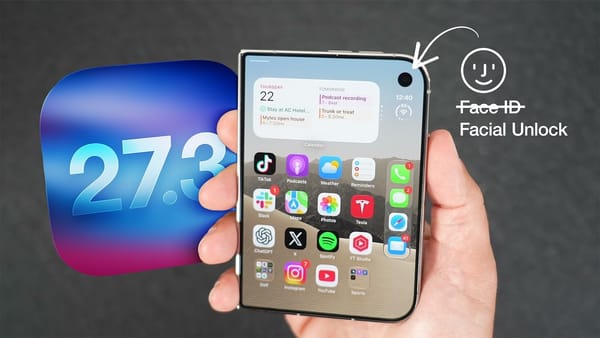
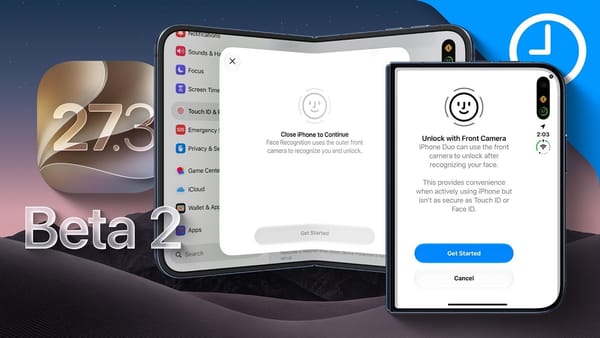
- The selfie camera. Matt Talks Tech says reports differ on whether Apple can hide both the camera and the Face ID components behind the display in time. The channel points to the inner screen of the iPhone Duo as a reference for a hidden camera. Putting one on the main screen still leaves the question of what happens to Face ID.
- Buttons. The proposed solid-state controls would simulate a click. The comparison in the video goes back to the iPhone 7 Home button, which gave a finger feedback without a mechanical press. Extending that idea to the volume controls would make it something you feel even with the screen off.
A smaller camera opening would be visible in the first product photo. The rest of the channel's predictions concern parts inside the case, where a plausible design reveals little about the result.
Changes that would take a test to judge
- Camera sensor. The channel also cites reports of Apple designing a sensor of its own. The channel sees a chance to capture more detail across bright and dark areas in one exposure. That claim will need a photograph taken in difficult light.
- Battery. A silicon-anode design could fit more capacity into the space Apple already gives the battery. The playback time mentioned in the video is the channel's prediction. The video offers no measured runtime.
- Memory. The video makes a case for stacking memory to increase bandwidth while acknowledging uncertainty about capacity. Those are separate specifications, and neither establishes how quickly a particular app will run.
The change I'd want to see demonstrated is a FaceTime call. A render can show an uninterrupted screen. A face lit by a dim room would tell you what the person on the other end gives up for it.