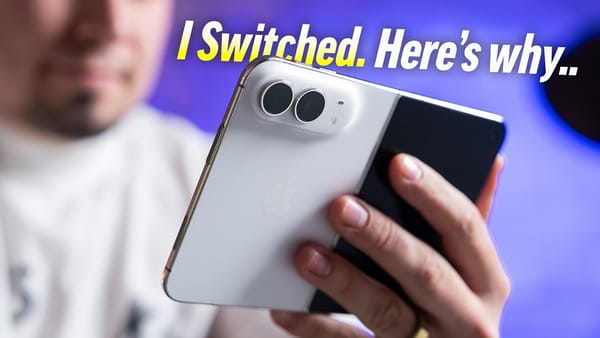
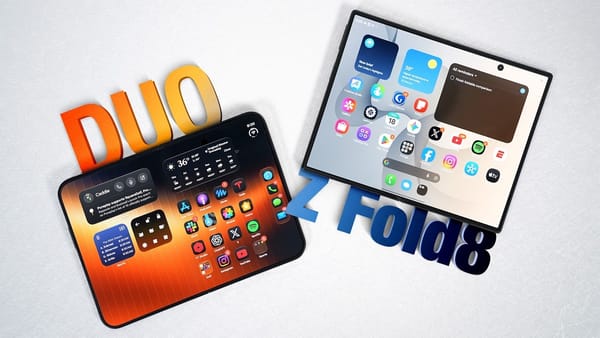
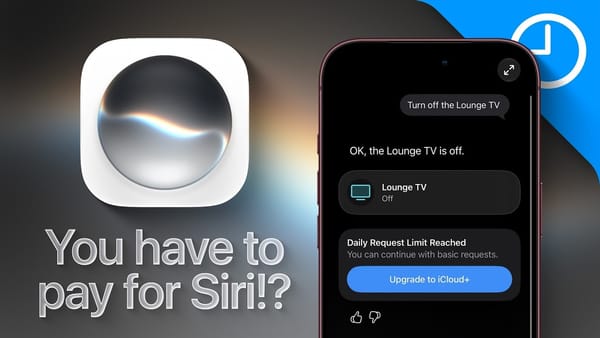
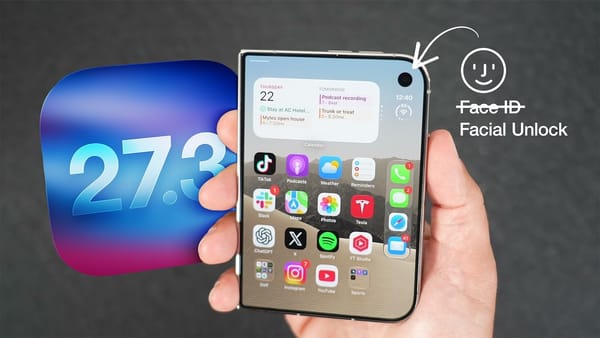
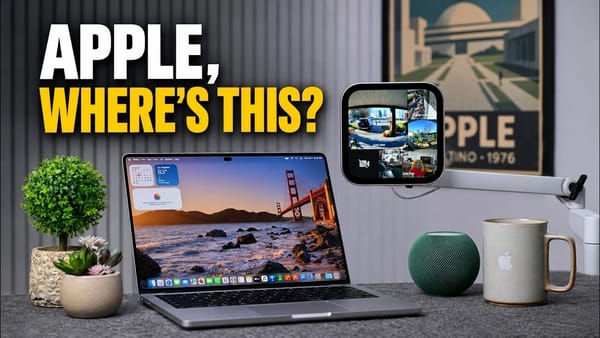
Folding an iPhone Duo shut seems like a natural way to lock it, until you want to keep reading on the outside screen. A month into using the foldable, the hosts of 9to5Mac Overtime discuss what iOS 27.3 beta 2 lets them change about that handoff. Then the hosts try Siri with personal Health data. A pair of HomePod minis gets a turn as Mac speakers, too.
What the Overtime hosts found
- The cover camera saves a reach for Touch ID. One host describes registering a face with the front camera and getting into the phone without finding the fingerprint reader. The setup reminds the host of HomeView's face registration. One host estimates that recognition worked about 95 percent of the time over a day or two. It works on the cover screen only, and paying with Apple Pay still requires Touch ID.
- Folding can end the session. One host wanted the phone to lock as soon as it closed after slipping it into a pocket with the screen still on. Given that option in beta 2, the host tried it and switched it off again. Pressing the lock button with a thumb when putting the Duo away had already become a habit.
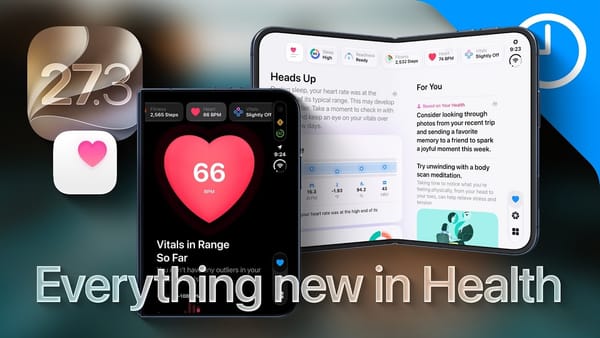
- Siri can answer a question about Health. One host says a Health query that failed in the first beta now works in the second. Examples include asking for a step count or a summary of the week's fitness. The host likes that Siri can identify where an answer came from and sometimes display the underlying information.
- Stereo works until the Mac forgets the output. One host pairs the HomePod minis in Home, then selects that pair in Control Center on the Mac. System sound effects can play through the speakers too. One host attributes the low delay to the direct connection between the Mac and the speakers. Restart the Mac, though, and the host has to select the pair again.
That last detail would decide whether I'd use the speakers at a desk. Having interface sounds come from the same place as the music is welcome, but reselecting the output every morning would get old.