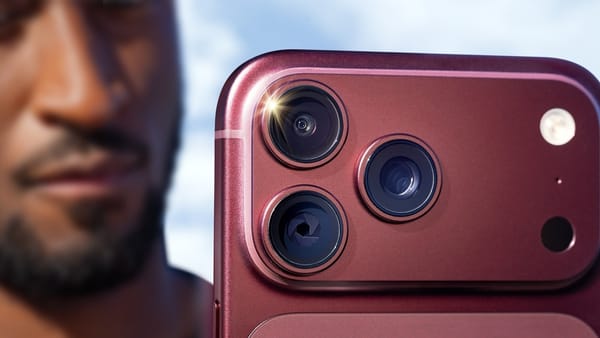
One mode in the Camera app, and the iPhone 18 Pro's main sensor signs the pixels before any software touches them. That's Apple Reference Image, and iGeeksBlog's 66-second Short explains it about as tightly as the idea allows.
The signed file goes to Private Cloud Compute, which checks it and signs the finished photo. The video calls that encryption strong enough to survive quantum computers, and Apple's security research blog backs it: the final signature combines RSA-3072 with the post-quantum ML-DSA-87. No name or location rides along, only proof that an Apple sensor captured those exact pixels, and Apple can revoke a sensor it finds compromised. The contrast the video draws is timing. Leica, Sony, Nikon, and Google's Pixel use C2PA, which signs a photo after processing; Apple signs first, so there's no window to swap in a fake.
It ships switched off, so iPhoners on an 18 Pro have to go looking for it. The video pitches it at photojournalists and courtroom evidence, and it names the obvious limit itself: a signed photo proves the pixels weren't altered, not that the scene wasn't staged.
The detail I can't get past sits in the channel's own description. The presenter's face and voice in this Short are AI-generated, which makes the case for sensor-level proof better than any line in the script.